How Technology Is Shaping Luxury Interior Design
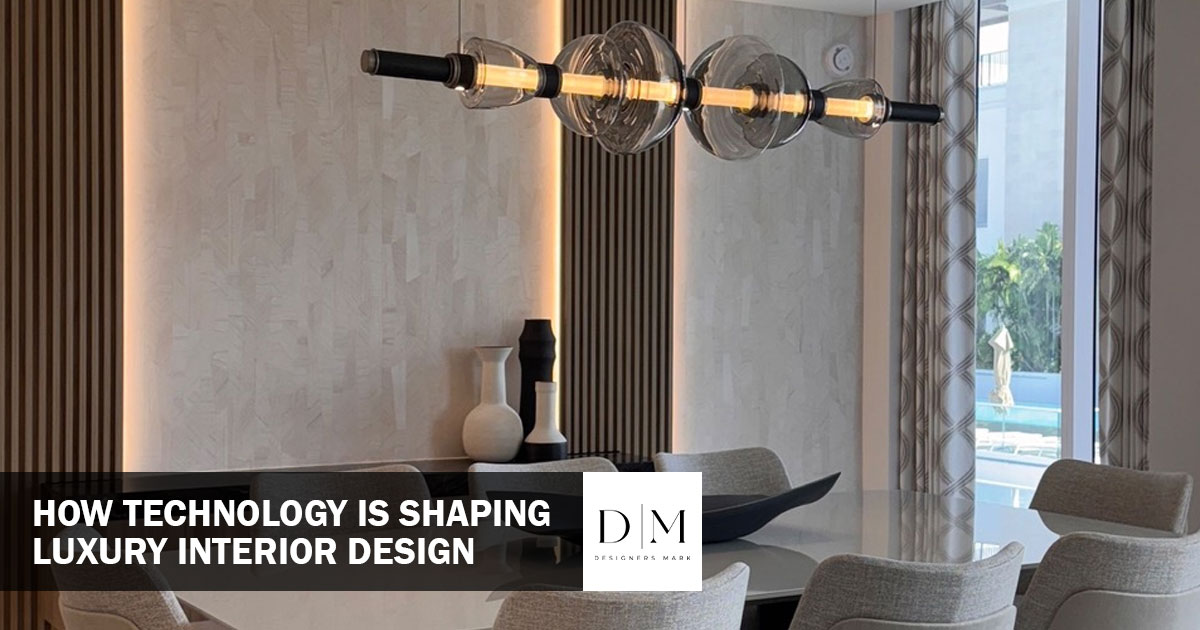
Luxury interior design has evolved beyond rare materials and bespoke furniture. Today, technology is seamlessly integrated into the very experience of a space. From intuitive lighting to automated comfort systems, these innovations have become essential elements of modern elegance.
Rather than being hidden away, technology is now intentionally designed to complement and even elevate the visual appeal of high-end interiors.
Read on to discover how technology is redefining the look and feel of modern luxury design.

Smart Home Integration as a Design Feature
Technology in modern interiors is no longer treated as an afterthought. Instead, it now blends with luxury interiors, becoming part of the refined look you expect in high-end spaces. Smart systems like lighting, climate control, motorized shades, and security now serve both function and style.
Seamless Control Interfaces
Smart systems draw less attention when they vanish into the design rather than stand out. Today’s homes use features such as:
- Flush-mounted touch panels that disappear into the wall
- Hidden control hubs placed behind panels or doors
- Voice-activated systems that remove hardware from sight
Subtle Automation in Action
In a living room, shades rise and fall at dawn, lights adjust automatically to the weather, and temperature adapts to your routine. These systems remain invisible but deliver comfort and ambiance without disrupting your aesthetic. Thanks to smart integration, you enjoy intuitive control without altering the room’s refined look.
Design Highlights with Function
Interior design now leans on custom planning from the start. This ensures technology supports rather than conflicts with the visual flow. Designers place hidden smart devices alongside luxury materials, keeping everything balanced and beautiful. The result is an environment where every feature, whether a smart system or a surface, complements the overall design.

Lighting Innovation and Customization
Lighting in luxury interiors is no longer an afterthought. It now plays a central role in shaping mood, enhancing textures, and framing architectural details. The latest systems offer precise control over brightness, color temperature, and direction, letting every space feel tailored to the moment.
To achieve this balance, interior designers often combine different approaches, including:
Layered Illumination
The foundation of a refined lighting plan rests on three layers: ambient, task, and accent lighting. Ambient light establishes the room’s overall tone. Task lighting focuses on functional areas such as reading corners or kitchen worktops. Accent lighting highlights artwork, architectural details, or decorative objects.
Each layer operates independently to adapt to different needs. Morning scenes can brighten work areas, while evening settings soften the environment and emphasize art. This tailored approach allows spaces to shift effortlessly with the flow of daily life.
Smart and Adaptive Features
Advanced lighting systems respond to natural light levels and occupancy. This means a room automatically brightens during cloudy afternoons or dims when the evening sets in. Integration with smart controls also allows for pre-set scenes, instantly changing the ambiance for dining, entertaining, or unwinding.
Artistic Fixtures
High-end lighting is also about craftsmanship. Custom chandeliers, sculptural pendants, and artisan sconces act as focal points, blending art with function. These pieces are chosen not only for their illumination but for the statement they make within the space.

In modern luxury interiors, technology is essential but rarely meant to dominate the visual landscape. The most sophisticated spaces integrate automation systems in ways that keep them nearly invisible. This approach preserves the elegance of the design while offering the highest levels of comfort and functionality.
Concealing technology starts at the planning stage. Architects and designers work closely with integrators to identify where systems will live and how they will operate without disrupting aesthetics. By embedding equipment into walls, ceilings, or custom cabinetry, the technology serves its purpose while remaining out of sight.
Integrated Audio and Video
High-performance audio and video systems no longer require bulky equipment on display. Speakers can be recessed into ceilings or disguised as art pieces. Televisions can vanish behind panels, mirrors, or automated lifts when not in use. These solutions allow entertainment systems to appear only when needed, ensuring the focus stays on the design of the space rather than the hardware.
The result is an environment where cinematic experiences and rich sound are available at the touch of a button, yet nothing interrupts the flow of the interior.
Climate and Comfort Control
Invisible climate control systems contribute to a luxurious living experience. Slim, discreet vents or hidden ductwork replace the standard bulky registers. Underfloor heating removes the need for visible radiators, providing warmth while freeing wall space for art or furnishings.
Smart controls tie all these systems together, allowing seamless adjustment of temperature, humidity, and airflow from a phone or wall-mounted panel. Occupants can prepare the home before arrival or switch settings instantly to match the season or activity.
Automated Shades and Privacy Features
Window treatments are another area where hidden technology shines. Motorized shades can retract completely into ceiling pockets, revealing expansive views without visible hardware. When privacy or light control is needed, they descend silently, creating an effortless transition.
These details blend practicality with refined design. They allow residents to enjoy cutting-edge performance without sacrificing the clean lines and harmony of the interior. The home feels timeless, yet every function is powered by innovation carefully placed out of sight.
Blending High-End Design with Innovation
Luxury interiors today are no longer about choosing between artistry and functionality. The most compelling spaces merge both, creating pieces that are as innovative as they are visually striking. Designers and engineers now collaborate from concept to completion, ensuring each bespoke piece serves both form and purpose.
This has led to furniture and fittings that hide advanced capabilities within elegant silhouettes. A marble dining table may feature wireless charging ports built into its surface. Custom cabinetry might conceal automated lifts that raise or lower appliances with a smooth, silent motion.
Sustainable Tech in Luxury Design
Sustainability has become a defining element of modern luxury. Eco-conscious technology is no longer an afterthought and is part of the design conversation from the very beginning. High-end homes now adopt smart systems that reduce environmental impact without compromising comfort or sophistication.
Solar-powered automation brings renewable energy into lighting, shading, and climate control systems. Intelligent HVAC units learn a household’s patterns, adjusting output to save energy while maintaining ideal comfort levels. Smart glass can shift transparency to control heat and light, improving insulation and reducing reliance on artificial cooling or heating.
Transform Your Space with Luxury Interior Design
Luxury interior design is the art of combining beauty, functionality, and innovation to create truly exceptional spaces.
At Designers Mark, we bring this vision to life by sourcing world-class furnishings, integrating cutting-edge technology, and curating designs tailored to your style.
Whether you are transforming a single room or an entire property, our team delivers solutions that reflect sophistication while enhancing everyday living. Experience the difference that comes from working with experts who understand how to merge timeless elegance with modern convenience.
Ready to Make Your Mark?
Contact Designers Mark today to begin your journey toward a space that inspires.