What Professional Interior Design Services Include & When It’s Worth Hiring One
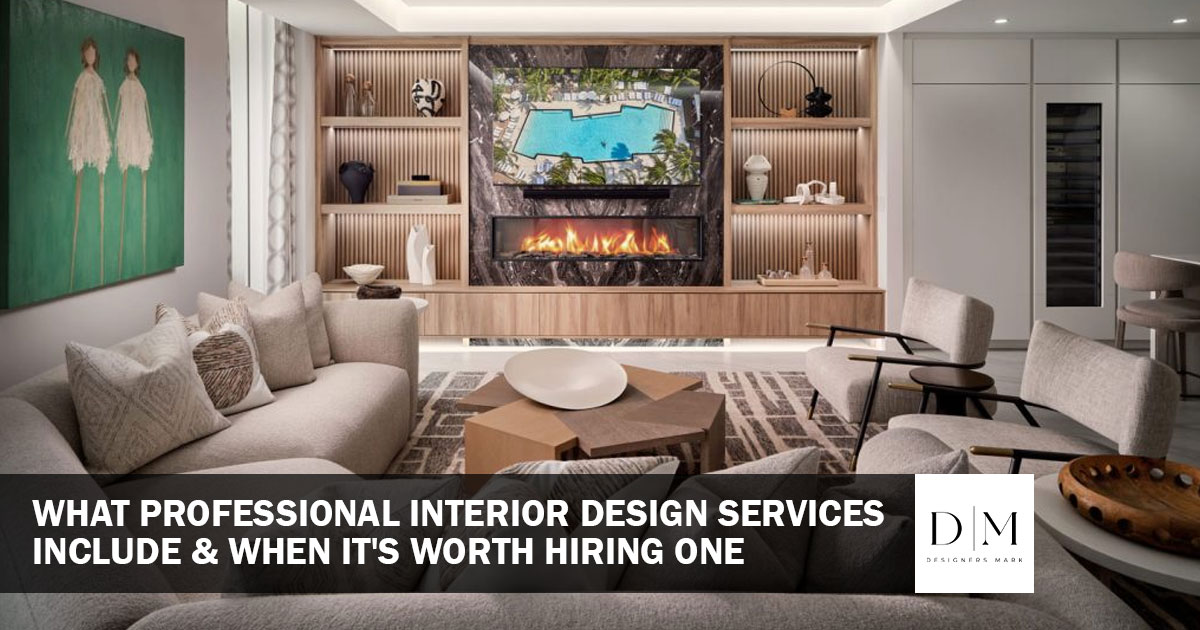
You can furnish a room yourself and still end up with a space that feels unfinished. The sofa may fit, but the rug looks too small. The lighting may sit in the wrong place, or the finishes may compete instead of complement each other. Professional interior design services can help resolve these issues before they become costly mistakes.
The right level of design support depends on the scope of your project and how many decisions need coordination. Below are ways professional design can improve a room, renovation, new home, or whole-house furnishing project.
What Do Professional Interior Design Services Include?
Professional planning can bring the room’s layout, furnishings, finishes, and style into one cohesive direction through interior design services.
Services include:
Planning the Layout
Space planning determines how people will move through and use a room. It accounts for room dimensions, doors, windows, walkways, furniture sizes, and seating requirements.
Consider a large living room with several windows and entry points. Poor furniture placement can create blocked paths or leave parts of the room unused. A designer can test different arrangements before furniture is purchased.
The layout also affects what furniture will fit. A sectional may overwhelm a small room. An undersized sofa can make a large space feel empty. Dining furniture needs enough clearance for chairs and movement. Planning these measurements first helps prevent unsuitable purchases.
Coordinating Lighting
Interior lighting affects both function and appearance. A room may require general illumination, focused task lighting, and accent lighting.
The placement of furniture can influence where lighting is most useful. A reading chair may need a nearby lamp. A dining table may benefit from a properly positioned pendant. Decorative fixtures can also become part of the room’s visual design.
Planning lighting alongside the layout reduces the chance of placing fixtures where they are inconvenient or ineffective.
At Designers Mark, homeowners and designers work together to explore a curated selection of lighting from respected brands, including Hammerton, Hubbardton Forge, Beacon Custom Lighting, Visual Comfort & Co., Arteriors Home, Eurofase – just to name a few. These options provide a range of styles for complementing different interior designs and creating a cohesive finished space.
Choosing Materials and Finishes
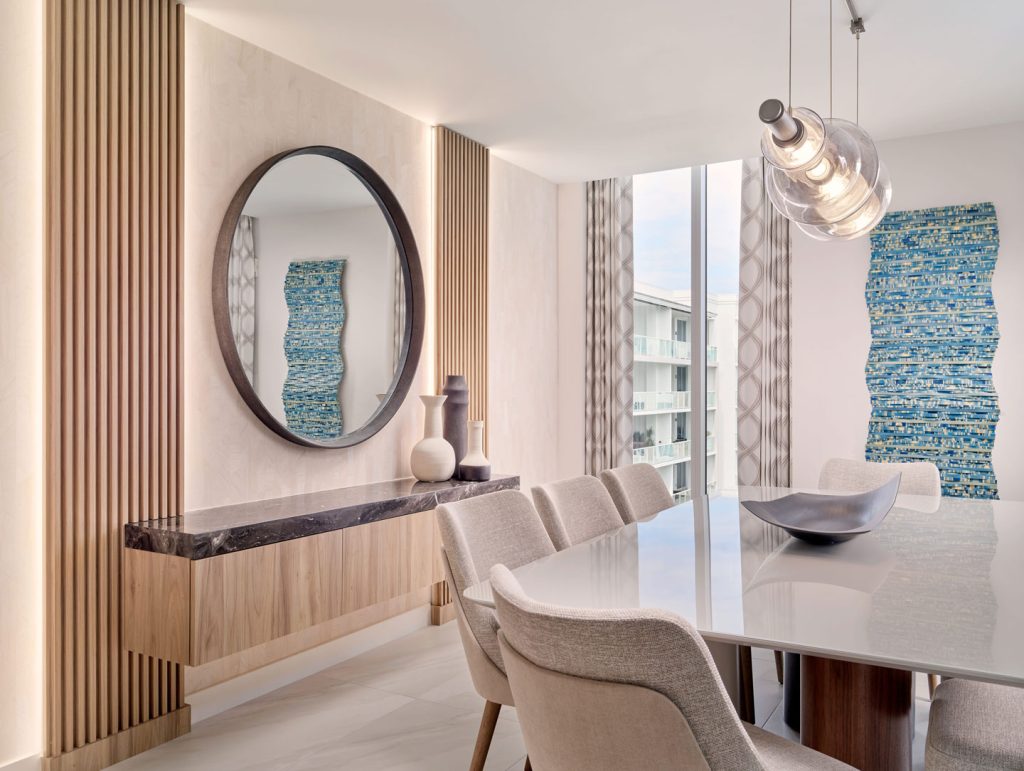
Flooring, paint, wall coverings, rugs, fabrics, hardware, and other finishes all contribute to the room’s appearance. Individual selections can look good while creating an awkward combination when placed together.
Designers can compare samples before decisions are finalized. This makes it easier to assess color, texture, pattern, and scale. It can also reveal a mismatch before materials are ordered.
The options truly are endless at Designers Mark. We offer a vast selection of timeless materials and finishes from brands like Romo, Zinc, Casamance, Innovations, Kravet, JF Fabrics, Nest Home, Seitto and Buster & Punch, and more in our Boca Raton showroom.
Creating Custom Pieces
Standard furniture does not suit every room. Custom pieces can solve problems created by unusual dimensions or specific seating needs.
A built-in can use a narrow wall that would otherwise remain empty. Custom cabinetry can fit around architectural features. Made-to-order designer furniture from well established high end brands like Bracci, Verellen, Interlude, Thayer Coggin and Baker can also provide the exact dimensions required for a particular layout.
Which Projects Need Professional Design Help?
You do not need a whole-house makeover to hire an interior designer. The need for professional input often depends on how complex the work involved and what the budget is. Not hiring an interior designer may be a very costly mistake in the grand scheme of things.
Plan New Construction
Early design involvement can help coordinate architectural requirements with the interior design for new construction before building work reaches critical stages. Lighting locations, built-ins, cabinetry, flooring, and other interior elements can affect work performed by the builder or architect.
Bringing a designer into the process early allows these requirements to be addressed before construction reaches each stage. This can be helpful when you already have specific ideas for storage, lighting, furniture placement, or custom features or even a blank slate.
Coordinate Major Renovations
Renovation decisions rarely stay within one room. Changing a kitchen can affect the dining area. Removing a wall can change traffic patterns. Replacing flooring may require a decision about how the new material transitions into adjoining rooms.
A designer can review these relationships before work begins, helping you make finish and layout decisions that work with the surrounding spaces. The benefit is not simply choosing attractive materials. It is making sure those materials and changes work with the home’s existing structure and adjacent rooms and will be a considerable saving when purchasing correctly at the Designers Mark showroom.
Solve a Single-Room Problem
One room can be enough to justify professional assistance. You may have furniture you like but cannot arrange effectively. The room may have awkward proportions, limited storage, or difficult architectural features.
A designer can focus on that specific problem. The service can cover the layout, furniture, lighting, finishes, or other elements that are preventing the room from working as intended.
This approach also suits homeowners who want to improve one space without redesigning the entire property.
What Happens During the Design Process?
The process varies by scope. A full-service project may include consultation, design development, planning, sourcing, delivery, and installation.
Begin With a Consultation
The consultation establishes the scope of the work. The designer reviews the rooms involved and learns how you use them.
Existing furniture may also be assessed. This helps determine what should stay, what should move, and what may need to be replaced.
Your practical requirements are discussed alongside your design preferences. The result is a clear starting point for the project.
Develop the Design
The designer develops layouts and product selections based on the agreed direction. Furniture dimensions, room proportions, lighting requirements, and finishes are reviewed during this stage.
Design development can also identify conflicts before they become purchasing or construction problems. For example, a furniture plan may reveal that a preferred piece is too large for the intended location.
Source Products and Materials
Sourcing turns the design plan into specific products. Depending on the project, this may include furniture, lighting, rugs, fabrics, wall coverings, home accessories, cabinetry, and custom pieces.
A designer can identify suitable options based on the required dimensions, materials, and overall design direction. This saves you from researching every item separately.
Manage Delivery and Installation
The final stage puts the selected pieces into the space. Furniture may need to be delivered, assembled, positioned, or installed.
Installation also provides an opportunity to make final adjustments. Accessories, artwork, and smaller furnishings can then be arranged to complete the room.
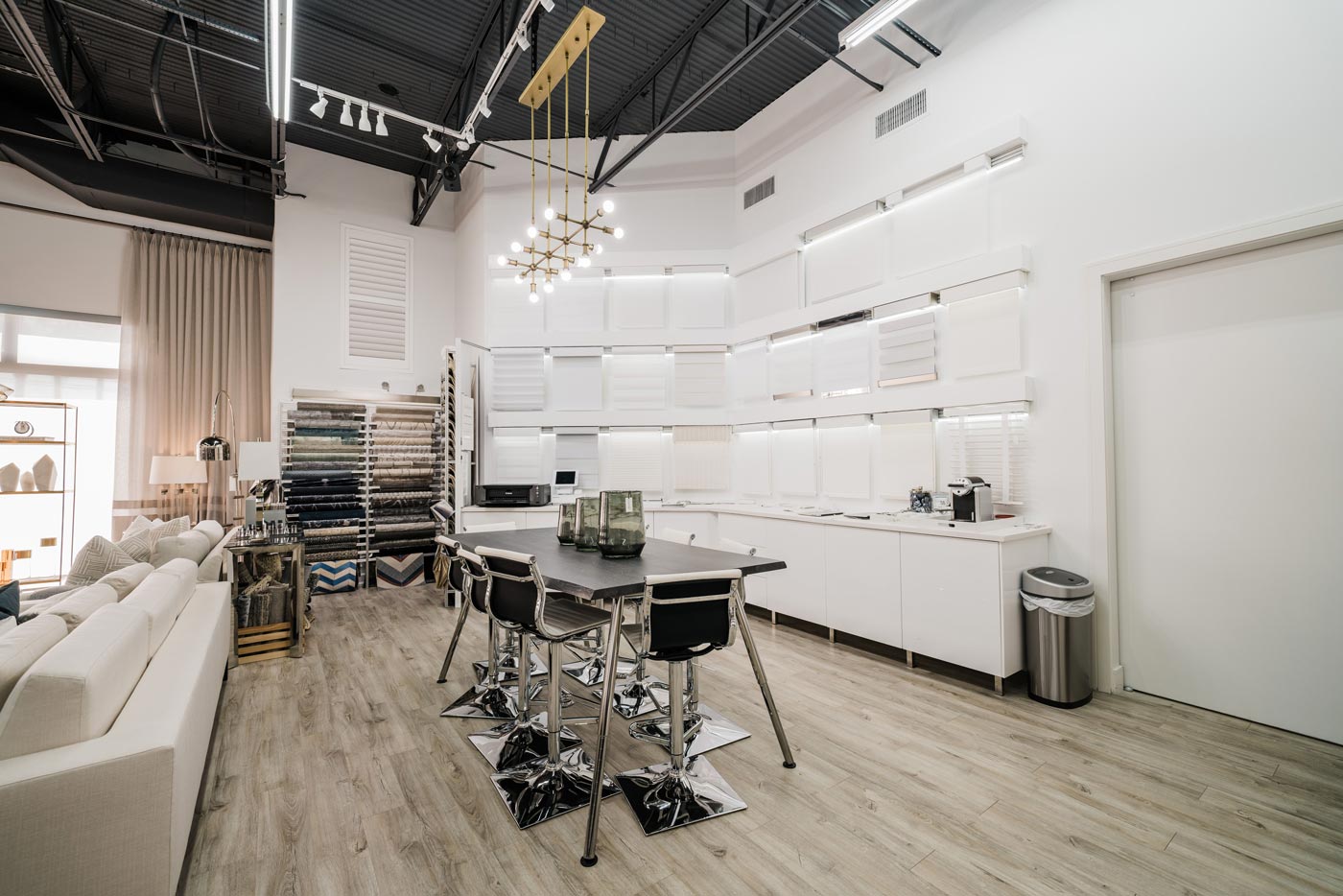
Why Use a Design Showroom?
Online shopping can help you compare products, but photographs do not always reveal an item’s true scale or texture. An interior design showroom lets you experience materials and furnishings firsthand before making a final decision.
You can sit on furniture to assess comfort. You can compare fabric samples and examine finishes in person. Lighting fixtures can also be viewed at full size.
A showroom is particularly useful when several selections need to work together. Seeing furniture and materials in the same setting can make differences in scale, texture, or finish easier to spot.
When Are Interior Design Services Worth Hiring?
Professional interior design services are worth hiring when a project involves multiple decisions that affect the layout, function, or finished appearance.
They can be especially useful for:
- New construction
- Major renovations
- Whole-home furnishing
- Multi-room projects
- Rooms with difficult layouts
- Custom furniture or built-ins
Transform Your Space With Designers Mark
A well-designed interior should suit how you live and use the space. Designers Mark provides interior design services for new construction, renovations, single-room projects, and whole-home furnishing, along with sourcing, delivery, installation, and showroom access.
From Verellen, Baker, Adriana Hoyos, AL2, Caracole, Century, Eichholtz, Four Hands, Holly Hunt, Misia, Rene Cazares, Thayer Coggin, and many more, Designers Mark is proud to work exclusively with high-end designer brands that don’t just elevate your space; they define it.
Exceptional interiors begin with exceptional designs. Contact us or call us at 561-961-4149 to discuss your project with our interior design team and explore the right approach for your space.